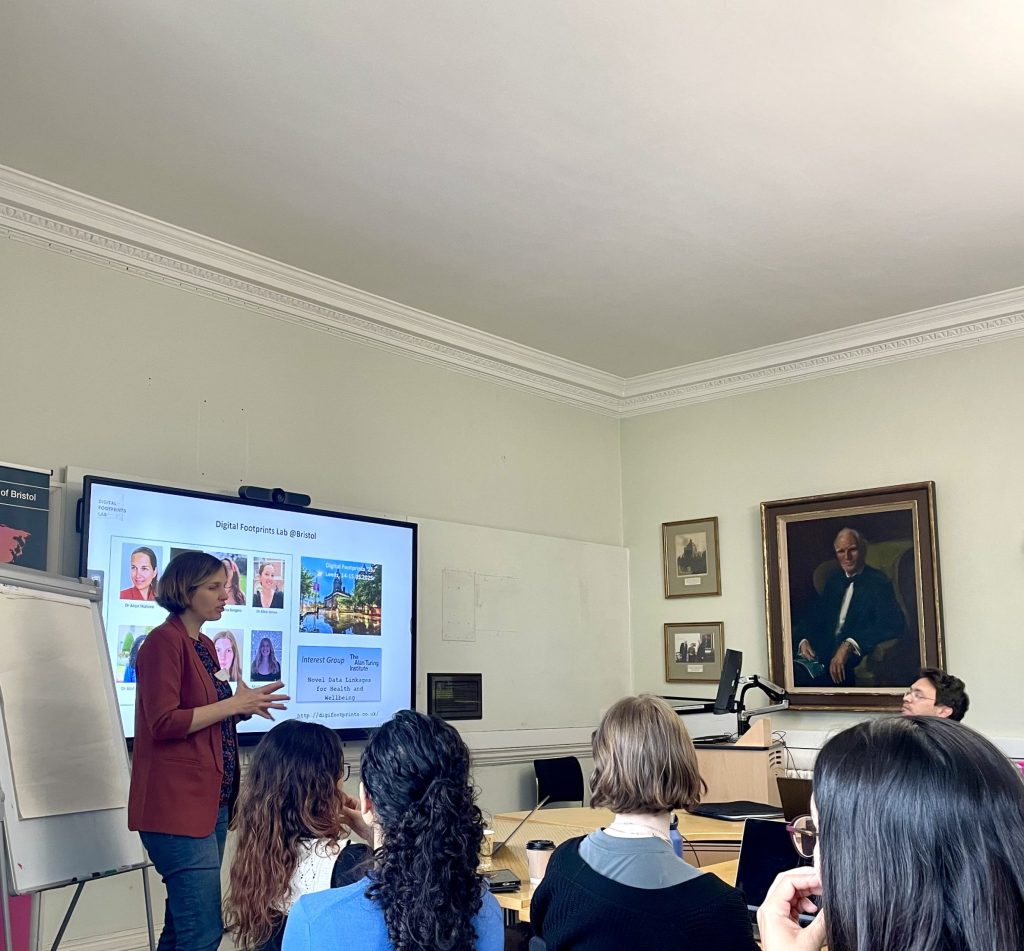
We are a multidisciplinary team using digital footprint data to understand people’s behaviour and health. Currently we are focusing on transaction data, specifically loyalty and banking cards, and working on realising the value of using these data to improve population health.
For instance, loyalty cards data can help to understand diet and alcohol consumption, while banking records can help to unpack factors influencing wellbeing and mental health. We are interested in a wide range of application areas, for example:
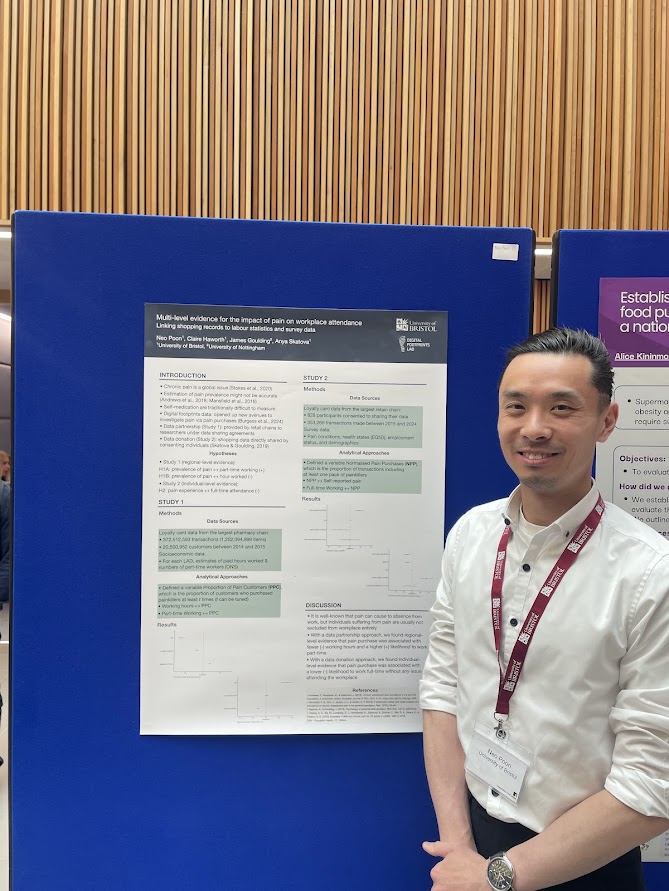
Neo explored how donated shopping data can be used to study chronic pain, linking purchase patterns of pain relief products with self-reported pain experiences. This approach allows the team to develop scalable measures of chronic pain and its economic and personal impacts.
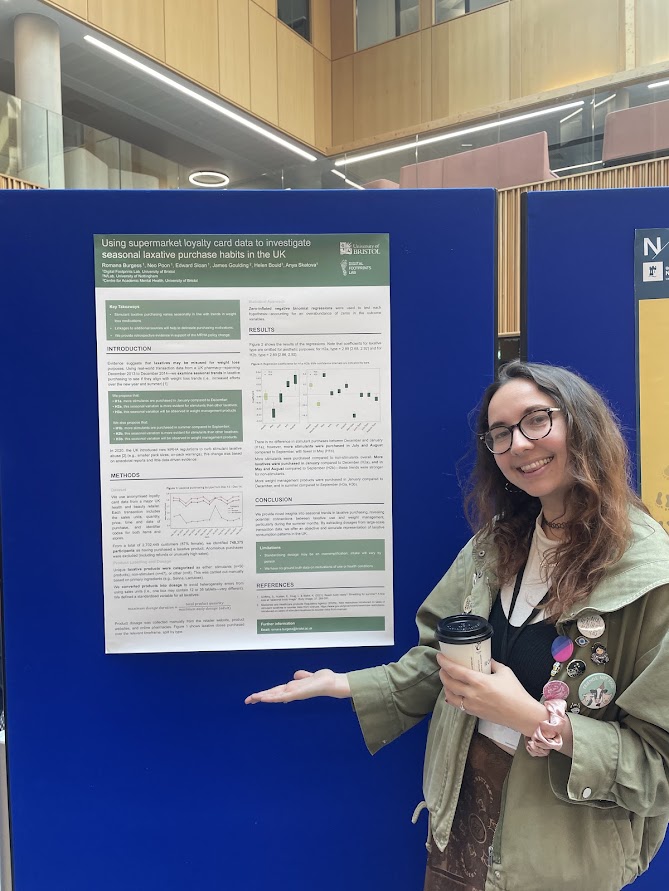
Romana has been using shopping data to explore patterns in self-medication. In particular, do trends in laxative purchases mirror the seasonal trends in weight loss medications, for the purposes of weight control? This work has explored the translation of sales units into dosages, in order to more accurately infer product use.
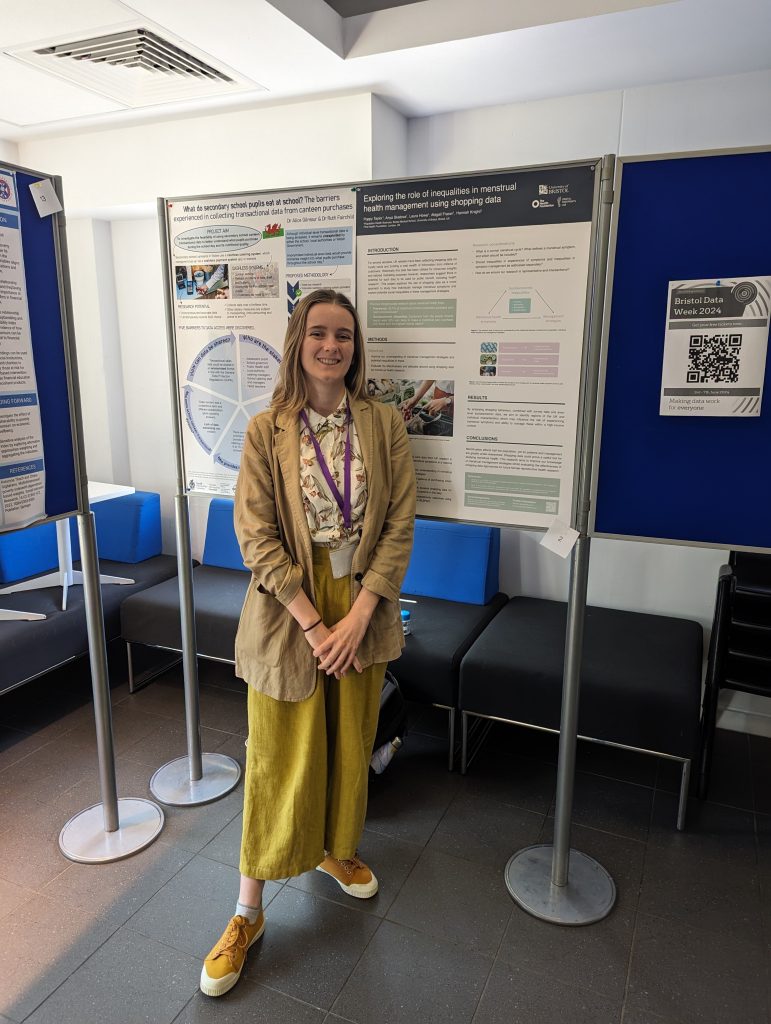
Menstruation affects half the population yet remains under-researched. Poppy is exploring what shopping data can reveal about how people manage their menstrual symptoms, including pain and heavy bleeding, and whether inequalities influence these behaviours.
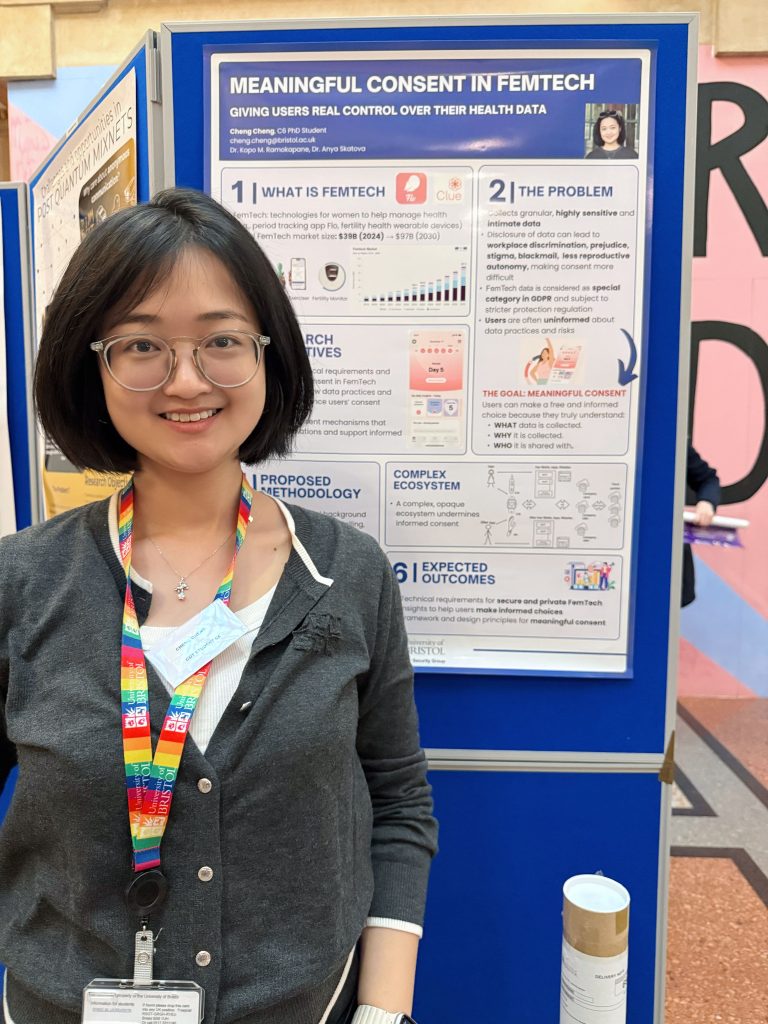
Cheng is exploring the privacy and security issues surrounding the use of FemTech, with the goal of ensuring that users consent meaningfully to what data is collected about them, by whom, and for what purpose. She is working to understand the technical requirements for secure FemTech, and how design of these apps can ensure meaningful consent in the future.
The majority of projects are funded by UKRI, Alan Turing Institute and University of Bristol.